

I’m often asked what I do with my time. When I explain that I collect Dutch Sleepers, visit international heritage sites, try out new recipes, serve on the board of the Art Fund Nyenrode Foundation, and am currently learning how to sing, it’s usually not the answer people are looking for.
But when I add that I’m an Auditor who helps companies make their activities, reporting, and assets more transparent, enabling them to achieve their objectives better and faster, the pieces of the puzzle fall into place. Better, in this case, means that a company complies with financial and other regulations and manages its risks more effectively.
I do this from a Financial, IT, and Governance perspective, primarily for international companies and shareholders who have acquired businesses and are navigating a transformation process.
After graduating from Nyenrode, I spent 40 years living in the Netherlands, France, Finland, the United States, Germany, and the United Kingdom, and I recently moved back to the Netherlands.
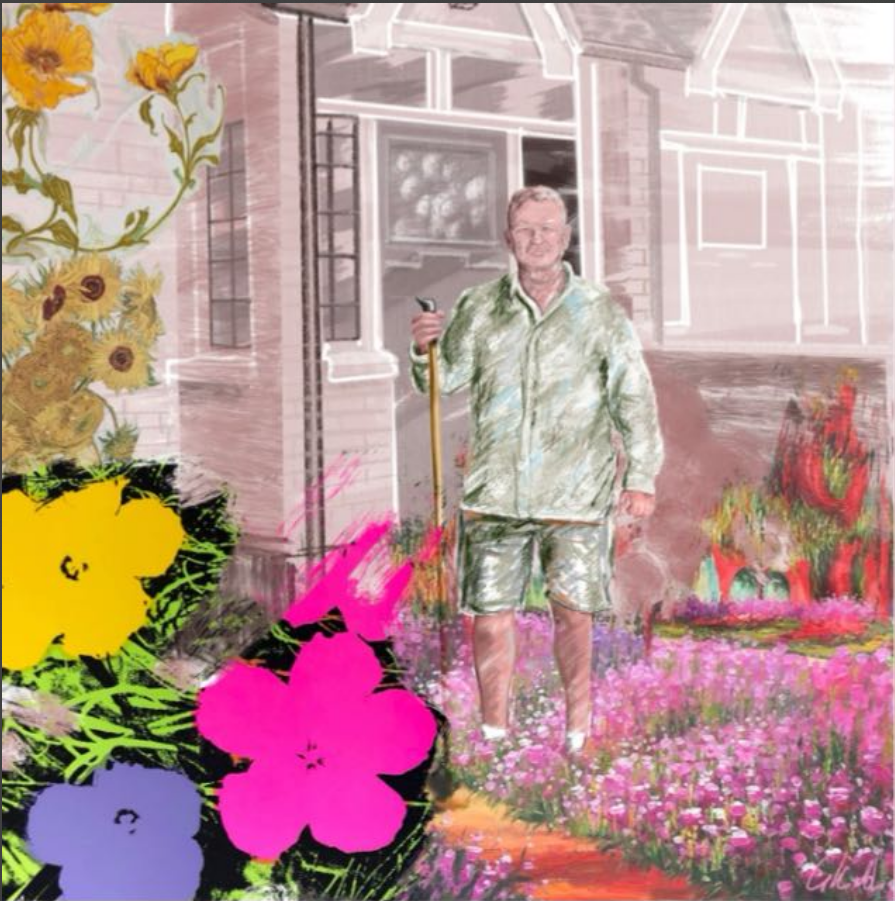
Sjors van der Sterren, Auditor
FRIDAY EVENING: WHERE THE SEA IS THE FIRST AND LAST THING YOU SEE
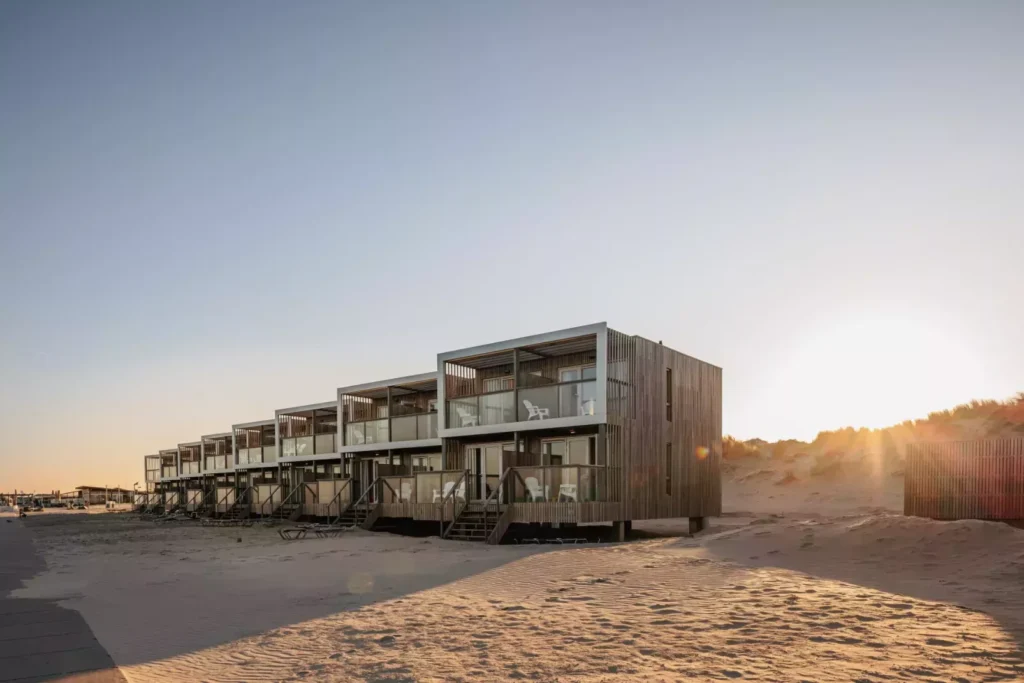
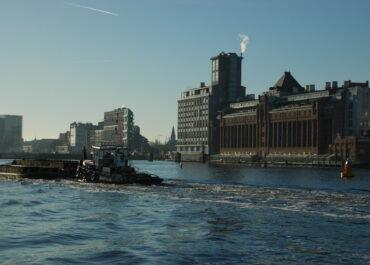
The weekend begins with bare feet in the sand. A walk along the beach and dunes of Hoek van Holland, at the hour when the light above the sea shows its most beautiful colours. Here, where beach cafés are scarce and the bustle of the coast feels far away, lies a luxury beach villa on the sand, right next to Europoort, Rotterdam’s immense port and industrial area. As evening falls, dredgers, naval vessels, workboats, inland ships, offshore support vessels and the occasional superyacht glide past, a silent parade of Dutch maritime strength. And then, from the villa, with the surf as background music, the sea is the last thing you see and hear before falling asleep, and the first thing that greets you at dawn.
SATURDAY: ROTTERDAM, CITY OF PORT, TRADE AND TRANSFORMATION
Breakfast is at Hotel New York in Rotterdam, the former headquarters of the Holland America Line on the Kop van Zuid. From these quays, thousands of emigrants once departed — carrying a suitcase full of hope — on their way to a new life in North America. The building still breathes that history. Breakfast here is breakfast with a story, and with a sense of new beginnings.
Afterwards, I take a water taxi toward the Scheepvaartkwartier for the Wereldmuseum, or a little further to the Leuvenhaven for the Havenmuseum, each a guardian of heritage in its own way. The Wereldmuseum guides you through international cultural collections, showing how people across the world live and have lived. The Havenmuseum, part of the Maritime Museum Rotterdam, presents the tangible past of the Rotterdam harbour: historic port equipment, engineering works and maritime objects that tell how this remarkable city grew through water and people.
From here, it’s a short walk to the Markthal at Blaak, an architectural masterpiece where colour, shape and scent come together. At the market on the Binnenrotte next door, I order kibbeling with ravigotte sauce. Traditionally made from cod, nowadays often from whiting or haddock, dipped in a light batter and fried to golden, crispy bite‑sized pieces. Freshly fried kibbeling is nothing less than a culinary symbol of the centuries‑old bond between the Netherlands and the sea.
From Blaak, I take the train to The Hague, to the Mauritshuis. Where the Rijksmuseum in Amsterdam welcomes visitors with a sober, restrained, almost puritan entrance hall, the Mauritshuis does the opposite: its reception hall may be minimalist, but the rest of the interior radiates the decadence of the seventeenth century. Entering feels like being invited into the private home of someone who spared no expense in receiving their guests.
From The Hague, I travel by boat to Amsterdam, to briefly taste again the feeling of Amsterdam as a world harbour city. With the construction of Amsterdam Central Station, completed in 1889 and designed by Pierre Cuypers, the character of the city shifted entirely: from a maze of canals centred around the centuries‑old harbour on the IJ, to a metropolis with a new heart for the arrival and departure of trains. The harbour literally moved to the back of this new transport centre. But those who enter the city from the IJ, sailing under the station’s bridges, still feel what it is like to arrive in Amsterdam from the sea.
At the Okura Hotel, a refined Japanese meal awaits, followed by an evening canal cruise through Amsterdam, the water that once made the city great, now illuminated and serene. I spend the night at the Grand Hotel Amrâth Amsterdam in the monumental Scheepvaarthuis, or perhaps simply on my brother’s couch.
SUNDAY: FROM FORTRESS TOWN TO IMPERIAL UTRECHT
After breakfast in the Scheepvaarthuis, I take an early walk along the ramparts of Naarden Vesting, the seventeenth‑century star‑shaped fortress town, a quiet, almost meditative start of the day.
Next, I rent a small boat at the Muiderslot and sail along the Vecht, one of the most beautiful rivers in the Netherlands, lined with country estates and greenery, heading toward Utrecht. At 10:30, there is time for reflection at De Krijtberg in Amsterdam, a Roman Catholic church entrusted to the Jesuits since 1620. After attending the Latin High Mass, the journey continues swiftly to The Hague for the antiques and book market beneath the linden trees of the Lange Voorhout, a treasure chamber of art, curiosities and stories.
Lunch is at Hotel des Indes, a building with a rich history of more than 140 years. Originally built in 1858 for Baron van Brienen, treasurer to King William III, it was converted into a hotel in 1881 and has radiated timeless allure ever since.
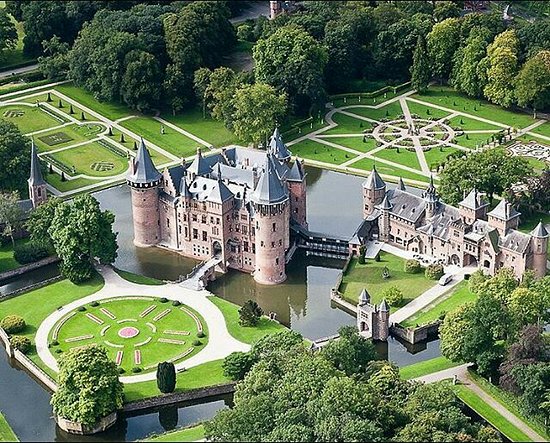
Afterwards, I take a walk through the beautiful gardens of Kasteel de Haar in Haarzuilens, the largest castle in the Netherlands. The park is laid out in English landscape style, with ponds, clusters of trees, romantic paths, bridges and surprising vistas, while the formal gardens around the castle are said to have been inspired by the gardens of Versailles.
The day ends at Restaurant Blauw on the Springweg in Utrecht. An extensive Indonesian rijsttafel, Indonesian cuisine at its finest, is a celebration of flavours that have coloured Dutch food culture for generations. After dinner, I enjoy a cup of coffee across the street on the terrace of Hotel Karel V. The hotel is named after Emperor Charles V, who stayed here in 1546 with his sister Mary of Hungary for the chapter meeting of the Order of the Golden Fleece. That meeting was held in the “Balije van Utrecht,” as the building was originally called and which now forms part of the hotel. That year marked the height of his fame: Charles V ruled over the largest European empire ever, under the motto Plus Oultre — “Ever Further.” Boundlessly ambitious, he wanted the sun never to set on his empire.
And with the thought of an emperor whose plans stretched beyond the horizon, my dream weekend ends in Utrecht, and I walk home through the Zocher Park.
A Curated Dutch Weekend: From Coastal Calm to Imperial Grandeur
Agnes Holtjer — In Motion